Colonial Korea
- Colonial Korea (1910-1945)
- 1910s no free press
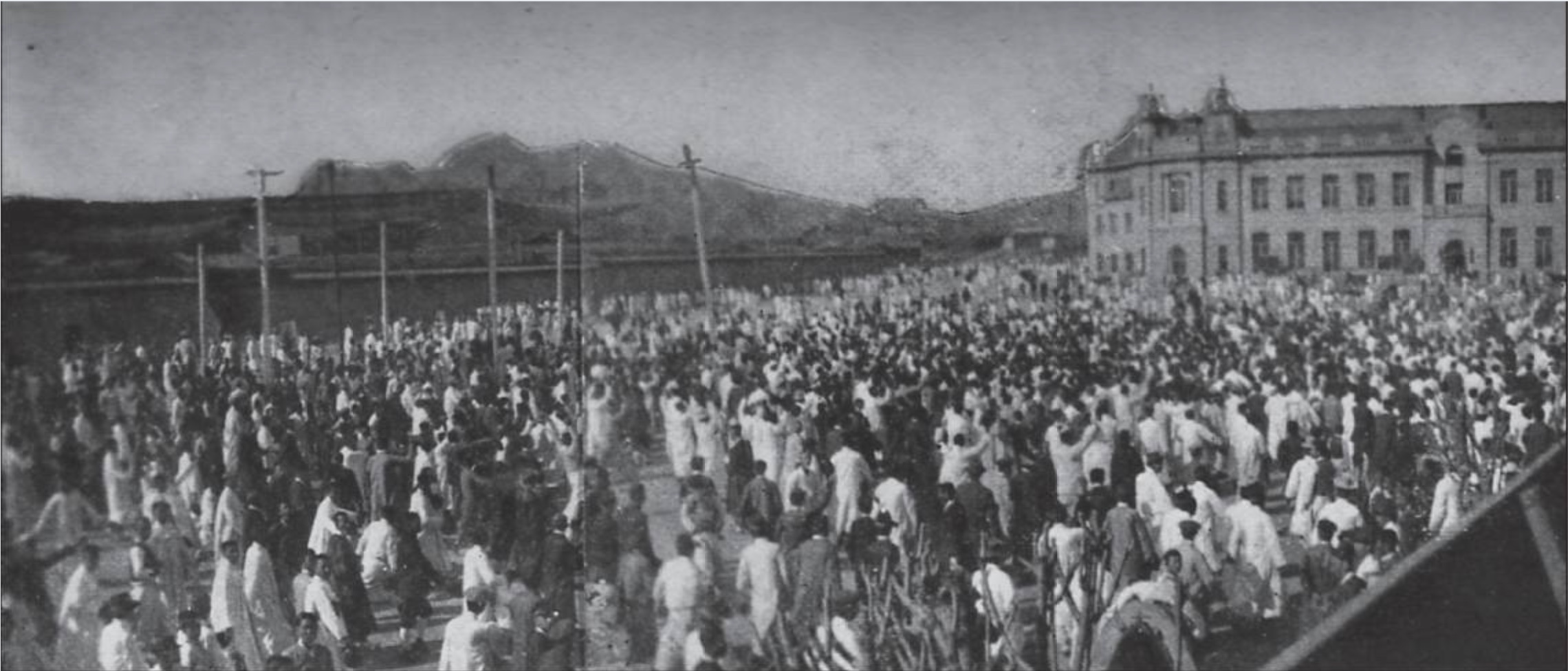
- March 1st Protests incited change
- More liberal press policies in the colony
The 1920s
- During the 1920s, choice of 100-200 different print shops.1
- Choice influenced outcome.
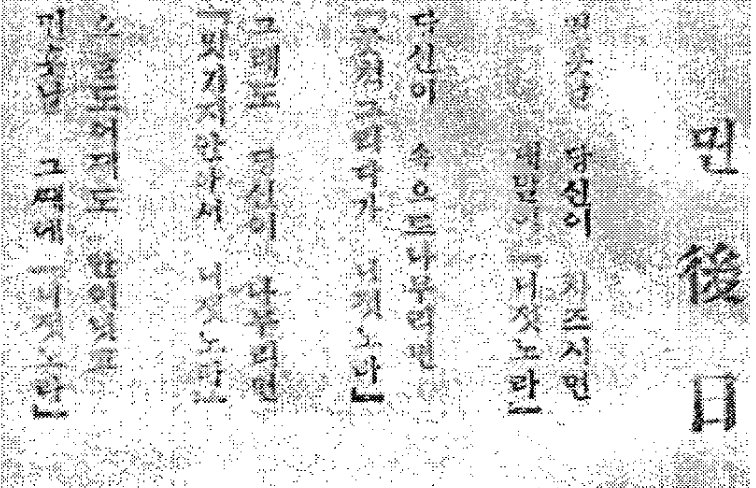
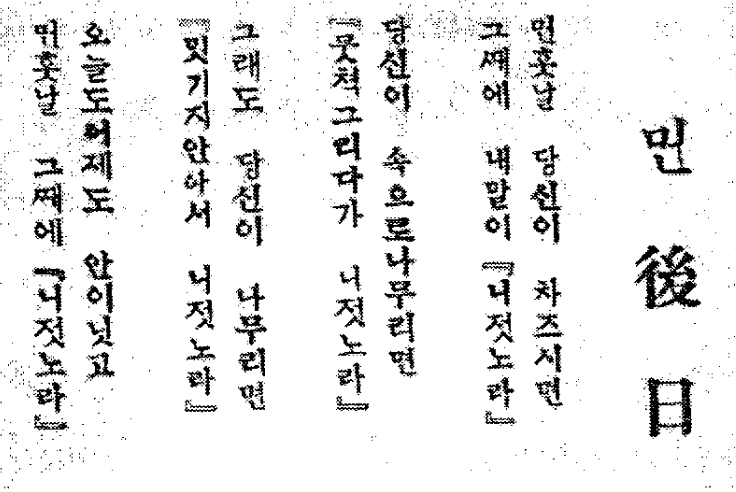
- A good example are poems from Kim So-wŏl’s Chindallaekkot 진달래꽃 collected works.
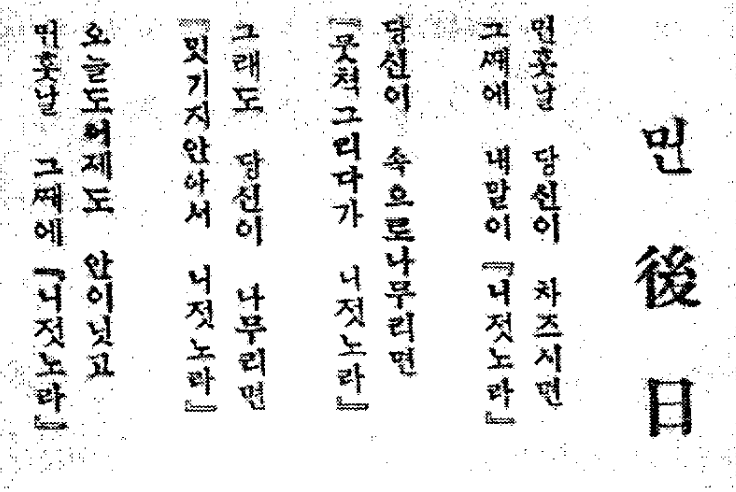
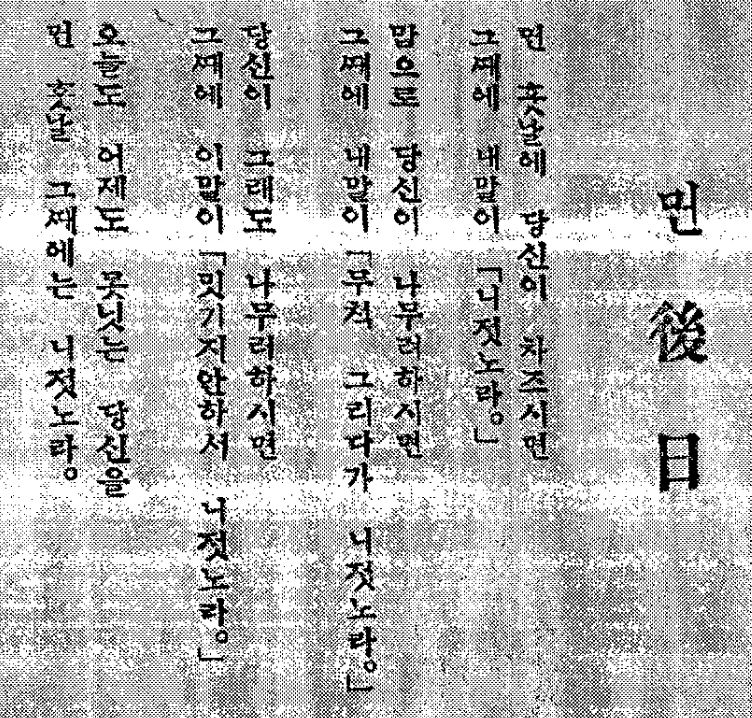
The 1920s
- During the 1920s, choice of 100-200 different print shops1
- Choice influenced outcome
- A good example are poems from Kim So-wŏl’s Chindallaekkot 진달래꽃 collected works
Characteristics?
- Work done by De Fremery1
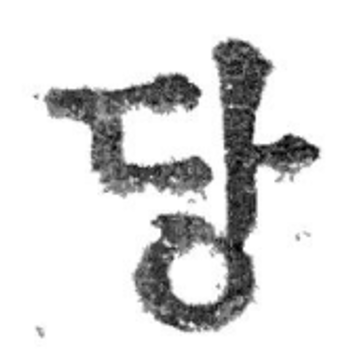
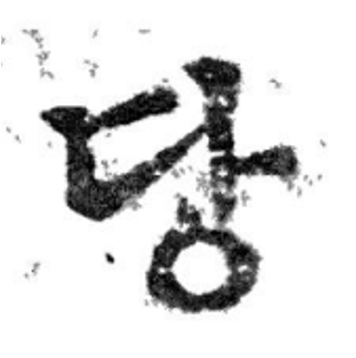


Interpretability
- All studies aim to detect, but how a model detects is often neglected
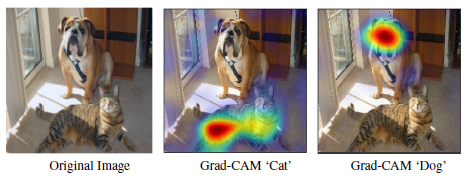
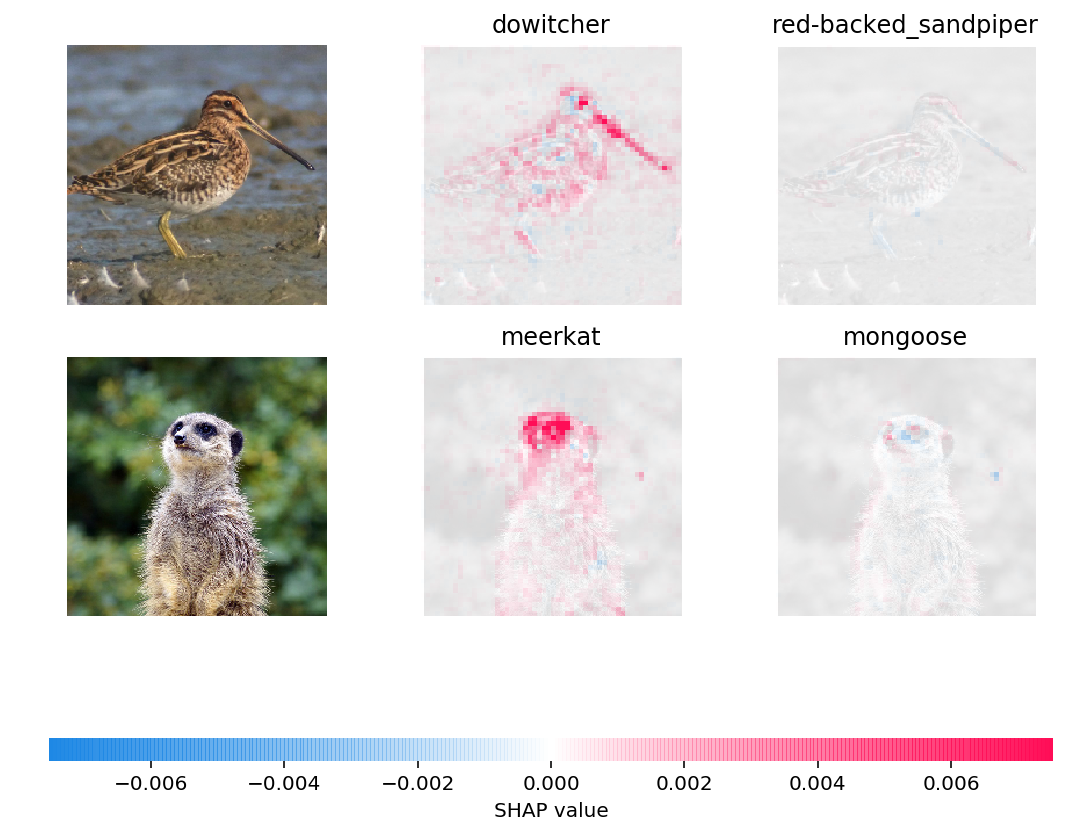
- For CNNs and Vision Transformers, several interpretability methods have proven successful
- GradCAM and derivates1
- SHAP (SHapley Additive exPlanations)2
Dataset
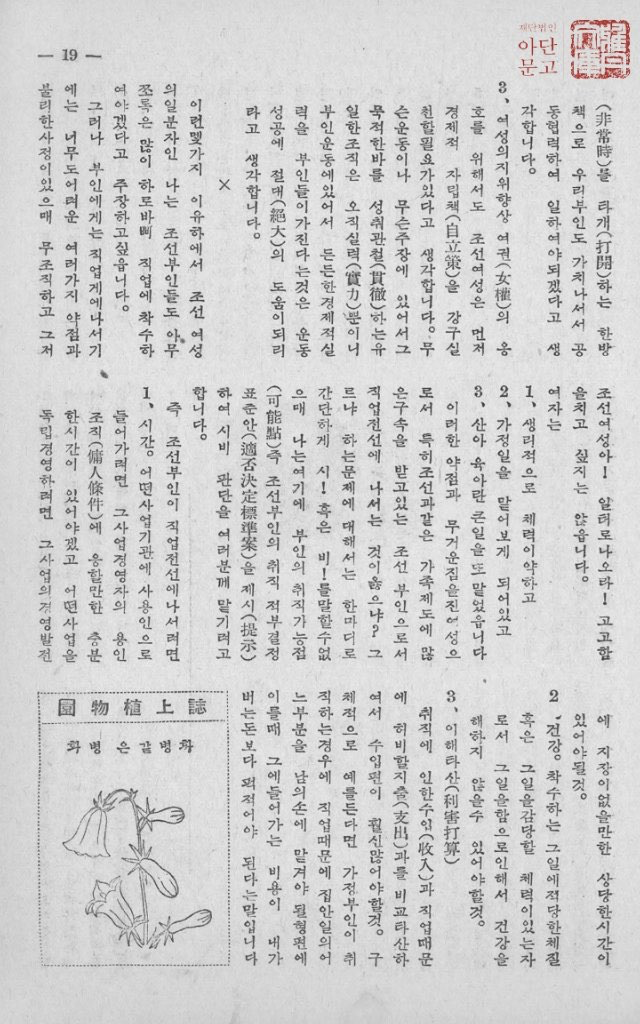
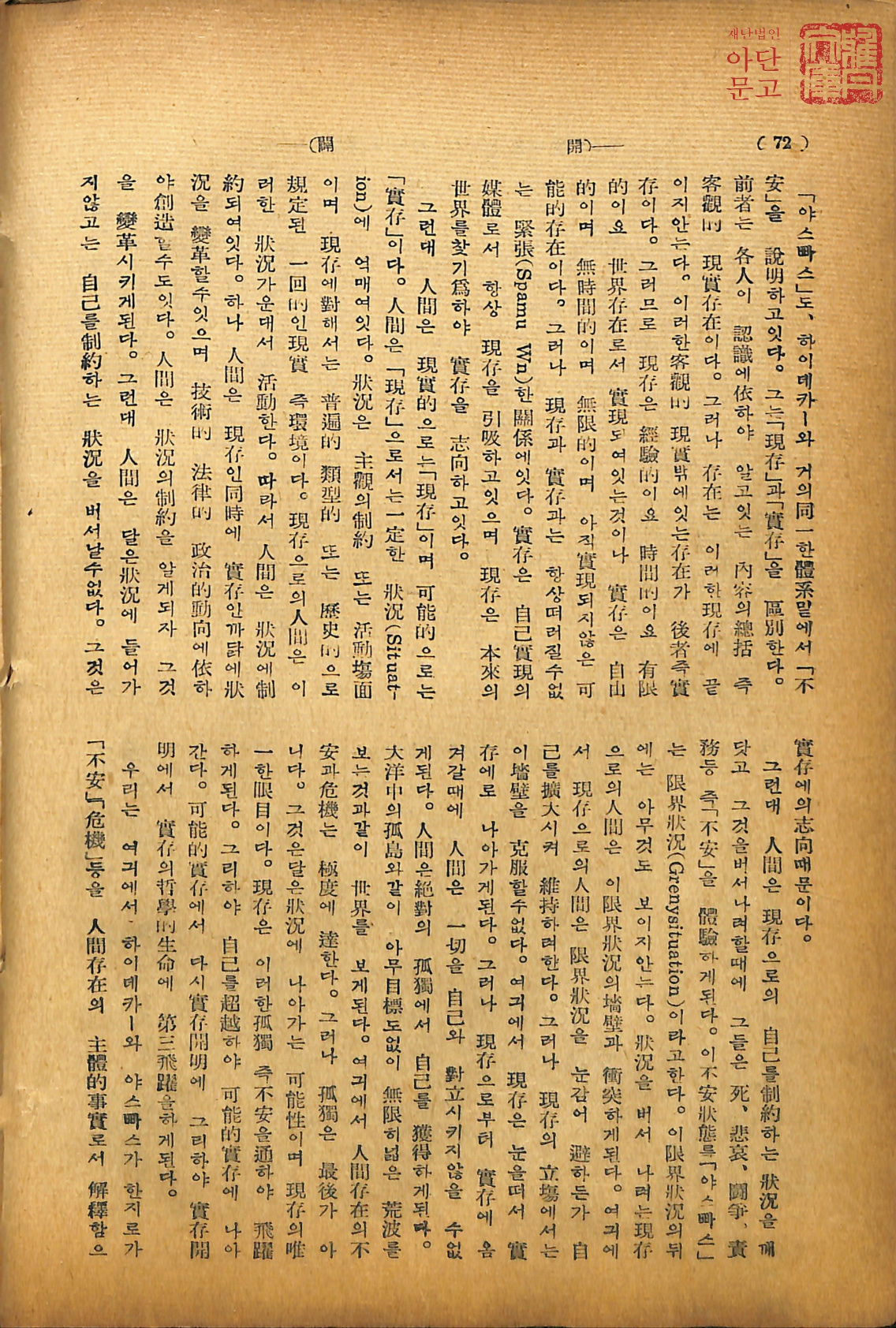
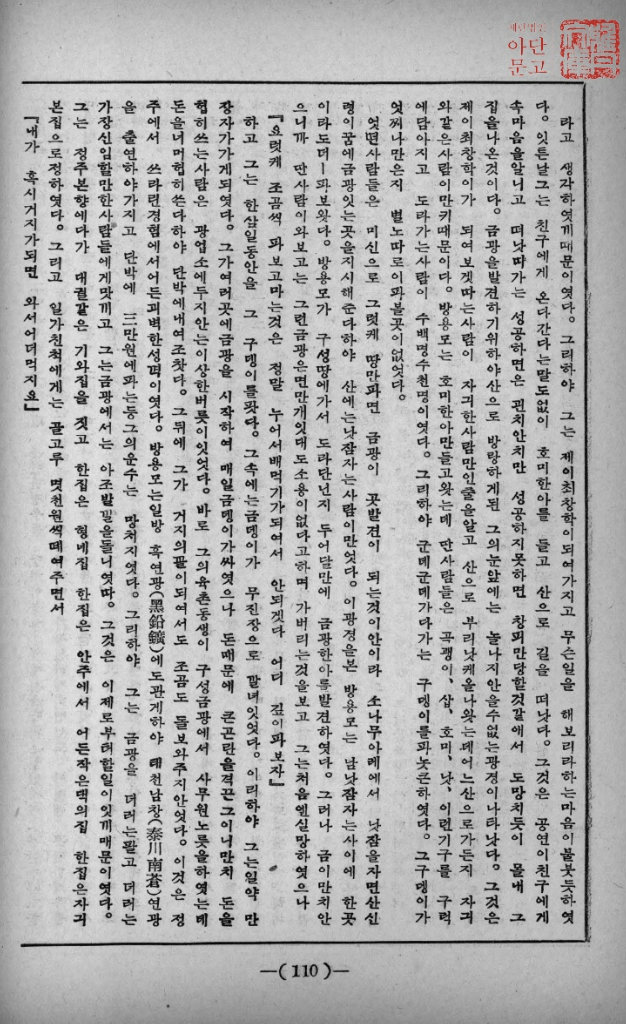
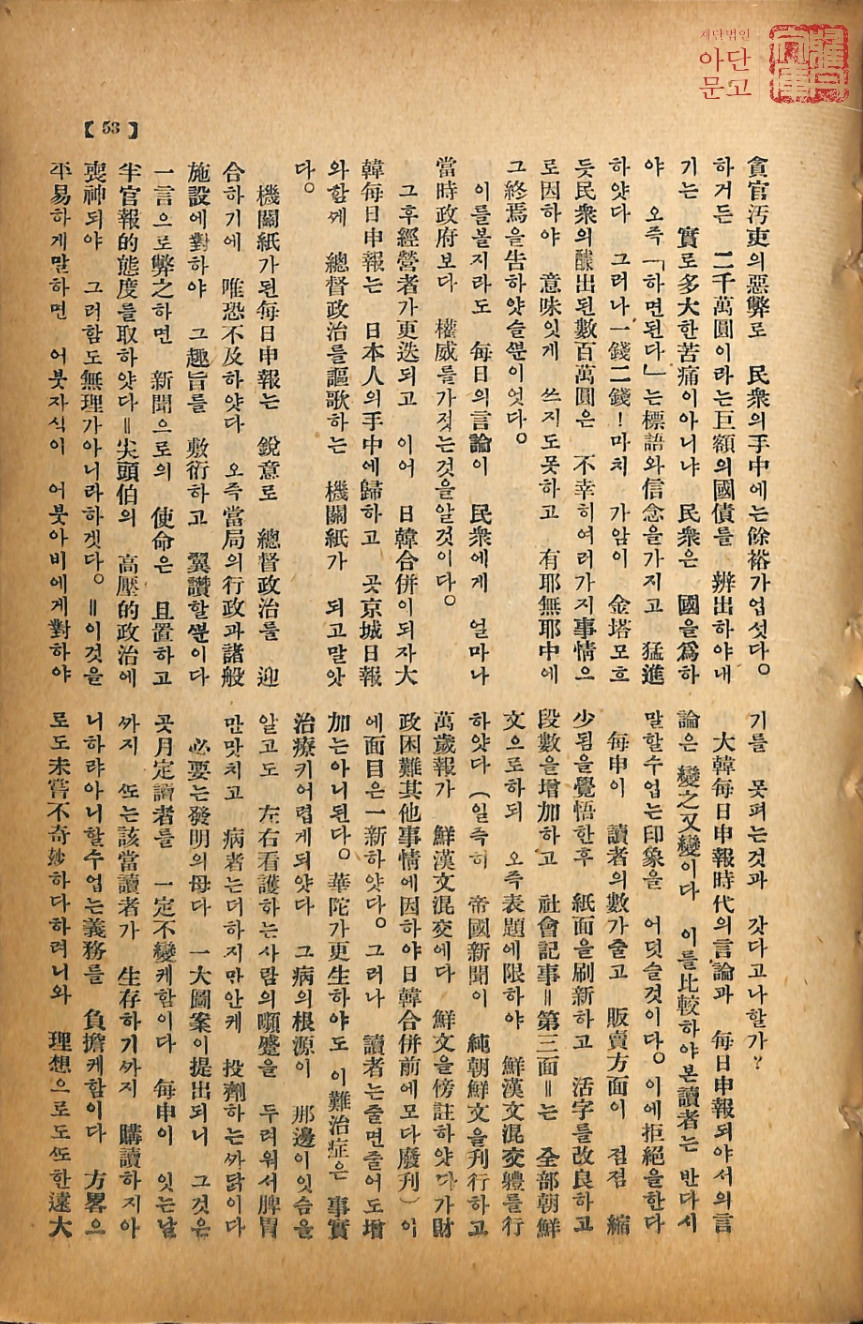
- The dataset contains 66,277 pages from four major printshops.
- Distribution: Taedong Inswaeso (42%), Hansŏng Toso Chusik Hoeisa (29%), Sinmungwan (20%), and Chosŏn Inswae Chusik Hoeisa (9%).
- Class imbalance reflects real-world production volumes; no rebalancing was applied.
Results Approach 1
ConvNext Base architecture - 98% Accuracy (F1=0.98)
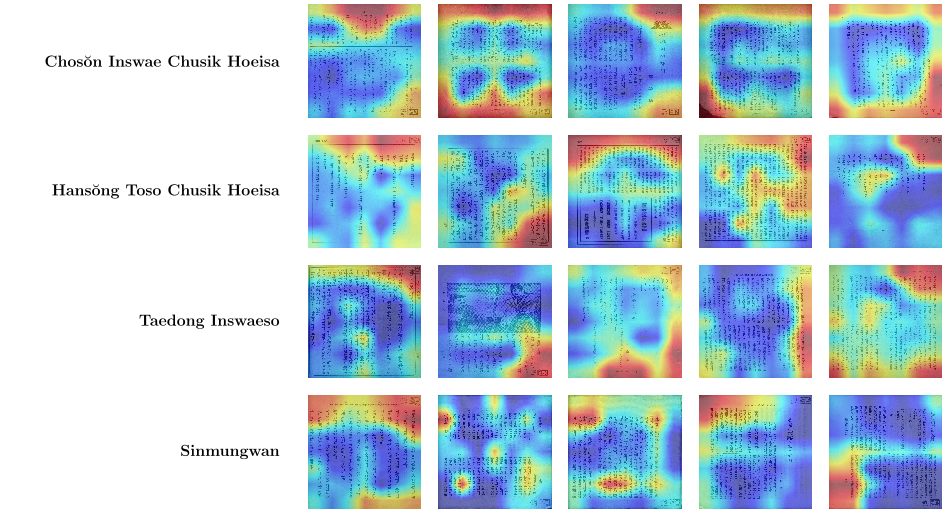
Can neural networks be used to classify historical printshops and identify the specific visual features that distinguish their typographic styles?
Approach 2
Following idea of Seuret et al.1 a page is cut into 4 random cutouts, while reducing overlap to max 30%
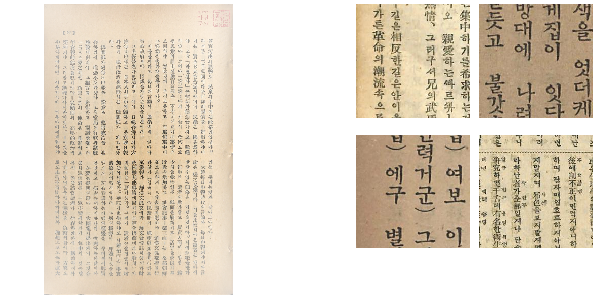
Approach 2 Results
99.8% Accuracy (F1=0.99) Swin S3 Base-224
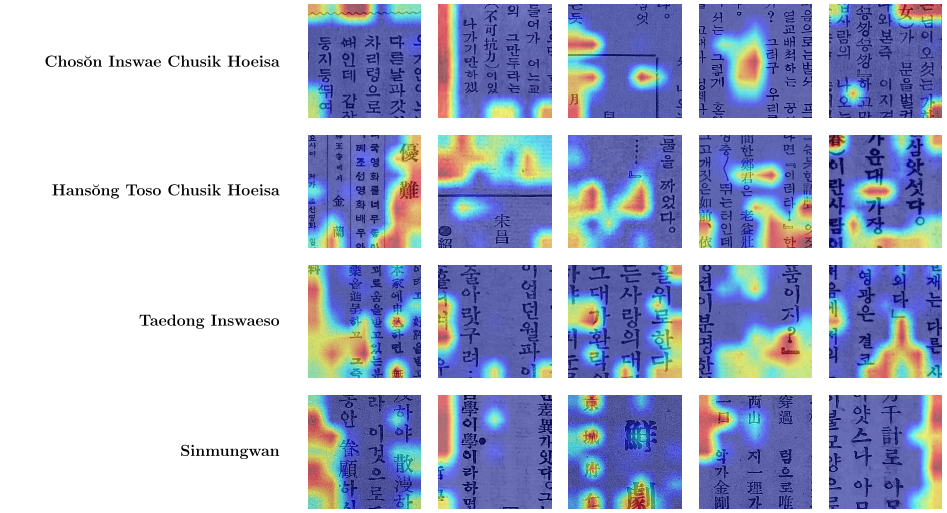
Can neural networks be used to classify historical printshops and identify the specific visual features that distinguish their typographic styles?
MIL
- Multi Instance Learning.1
- Used in the field of medical imagery.2
- Similar issues faced by humanists:
- High classification score
- Explainable classification
- We follow the AttriMIL implementation of Cai et al.3
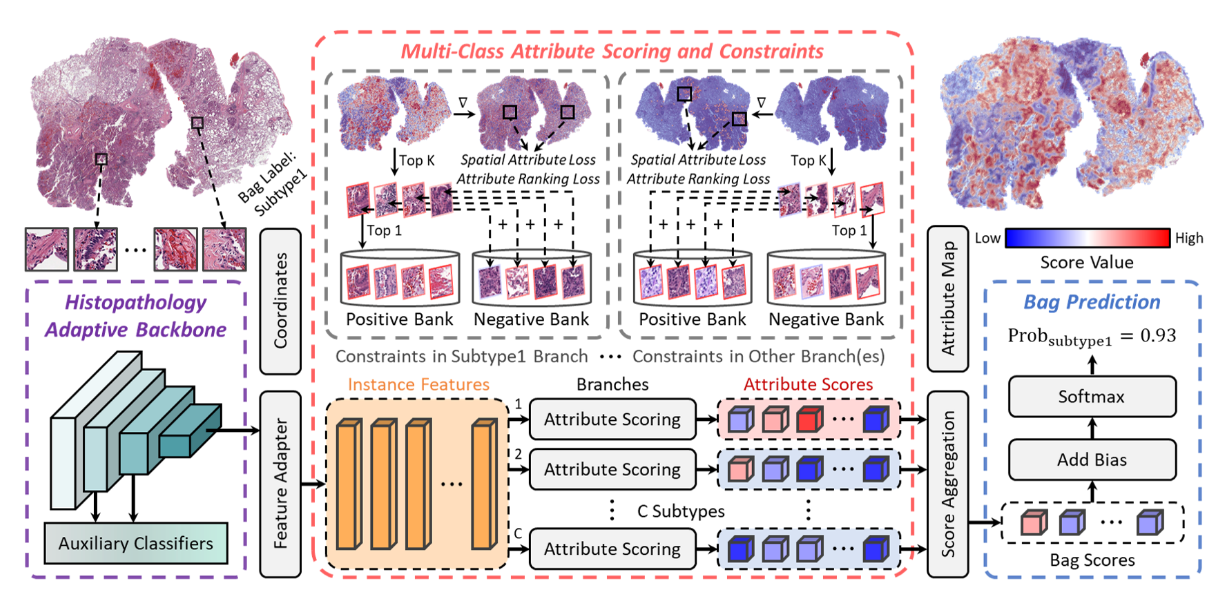
MIL Figure
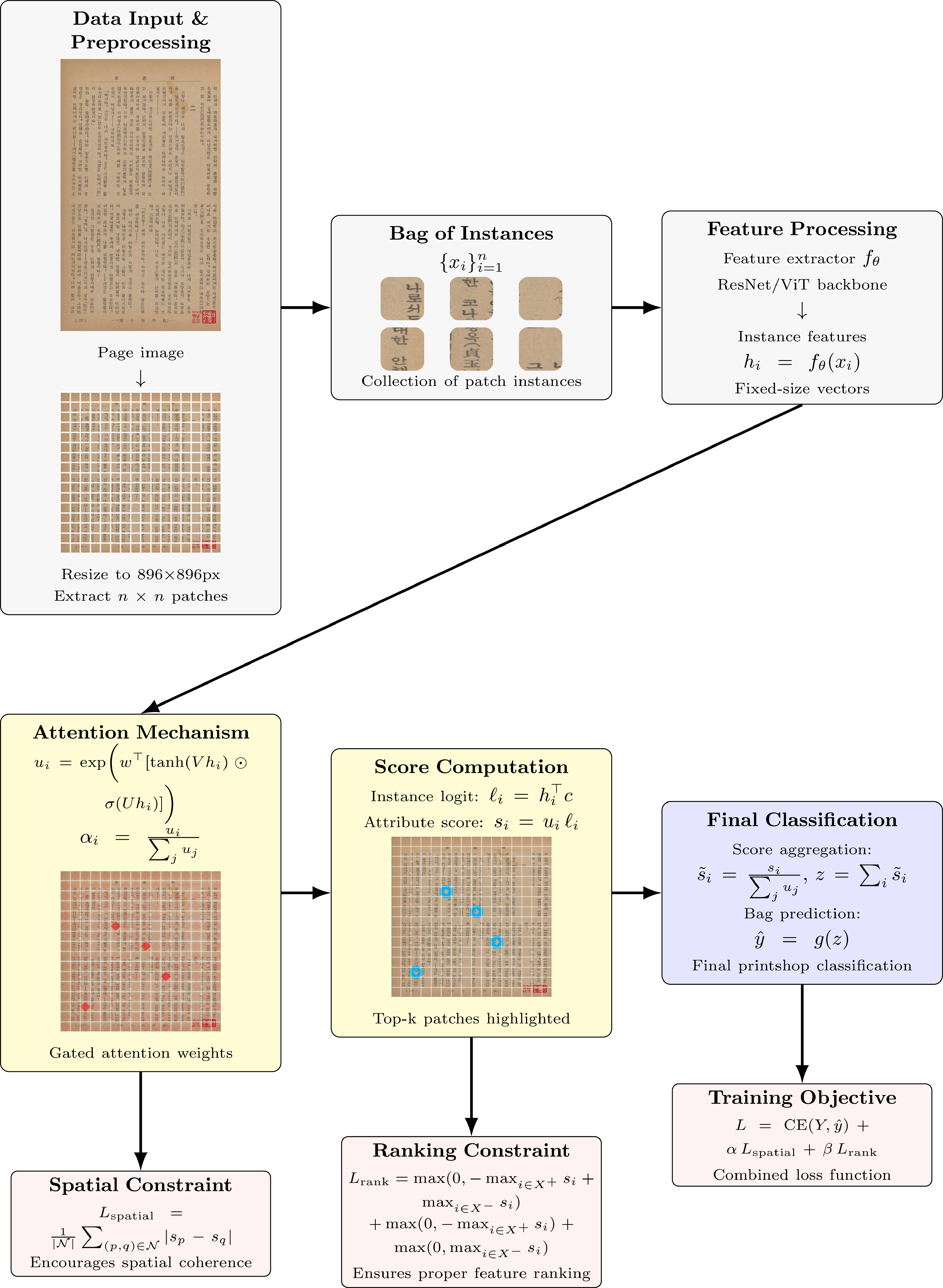
MIL Figure
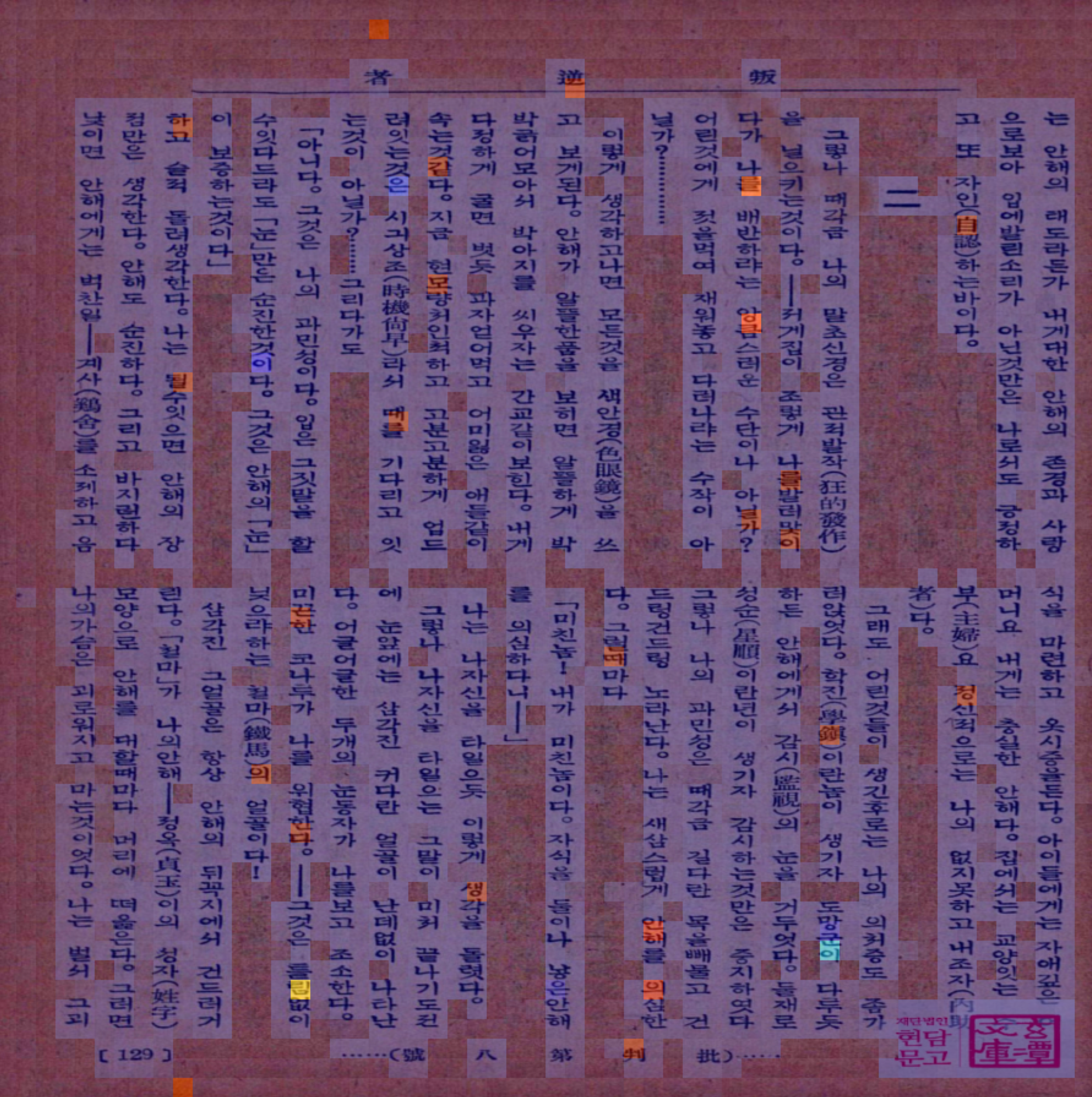
Embeddings Space
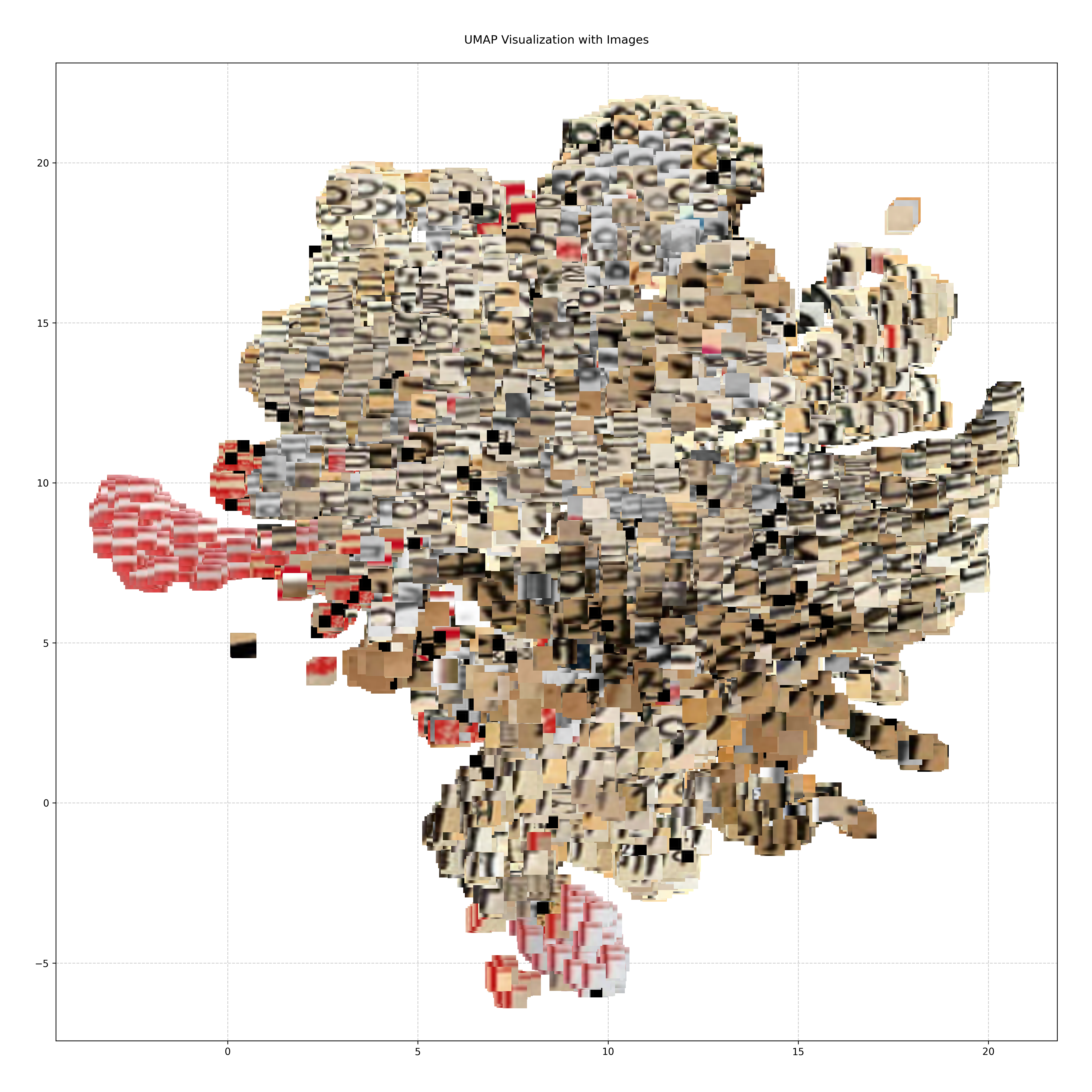
Embeddings Space
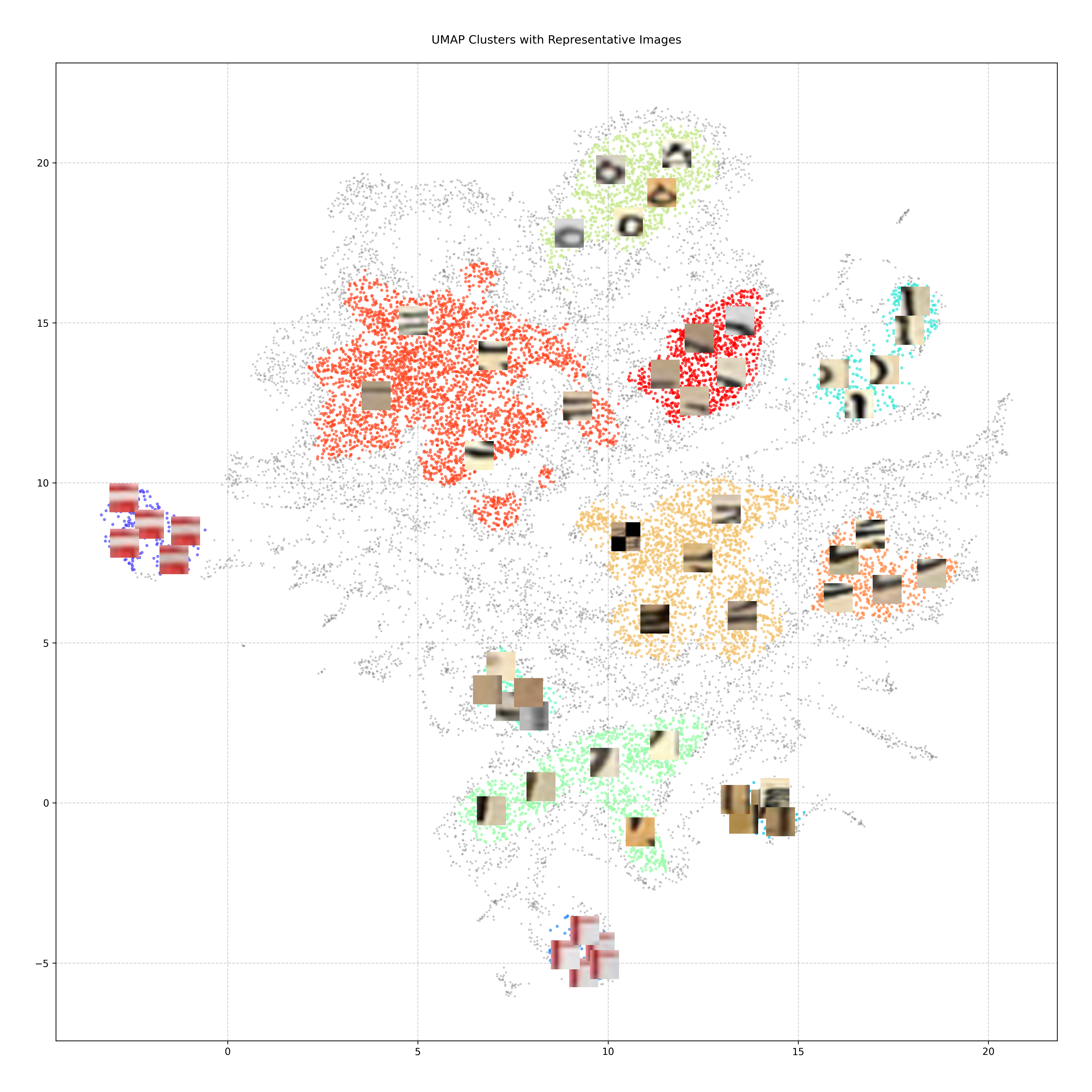
Sampling clusters
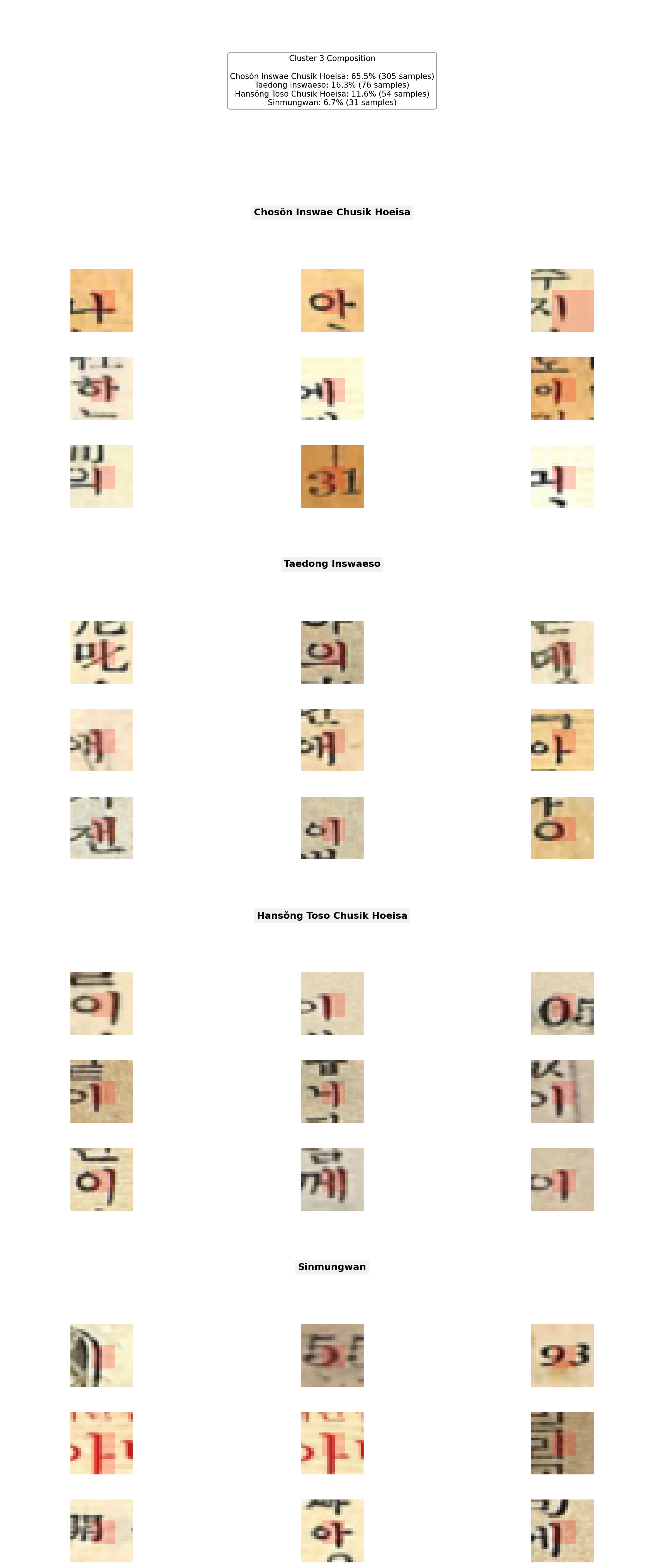
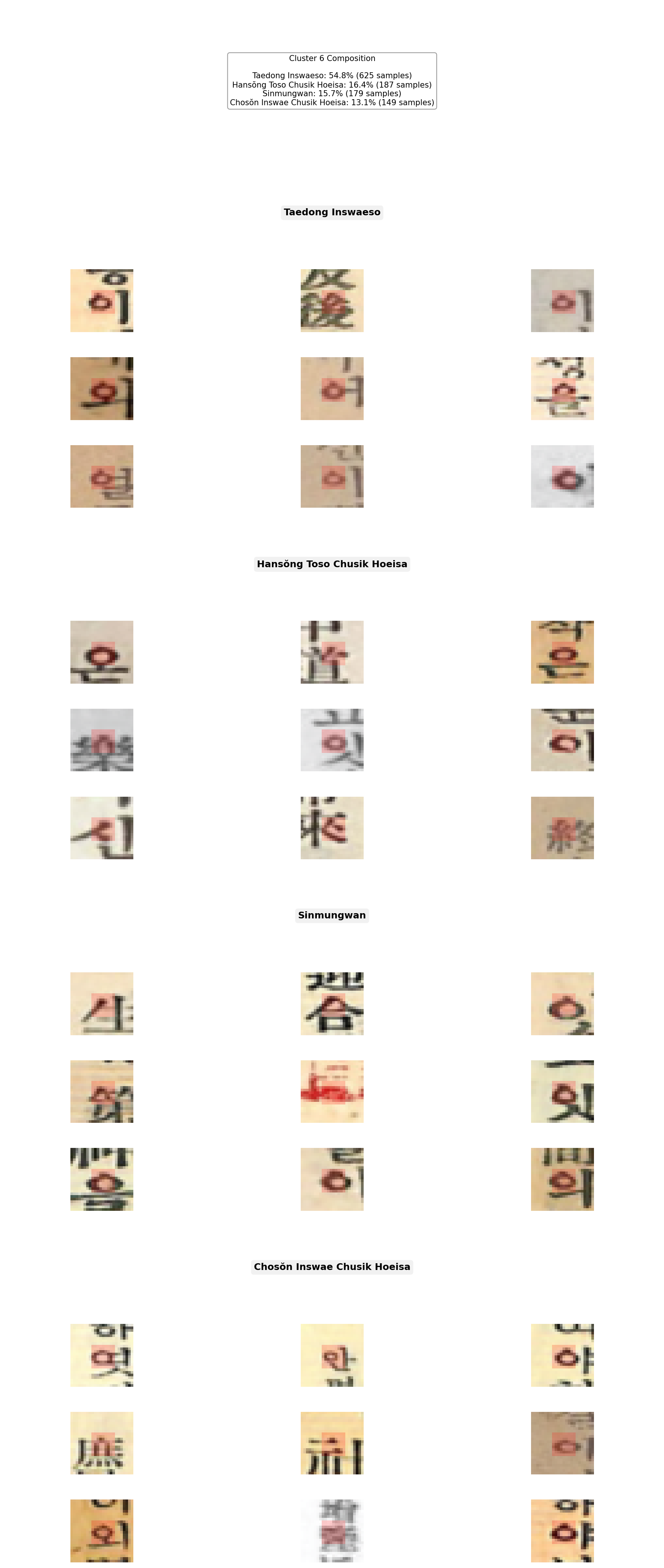
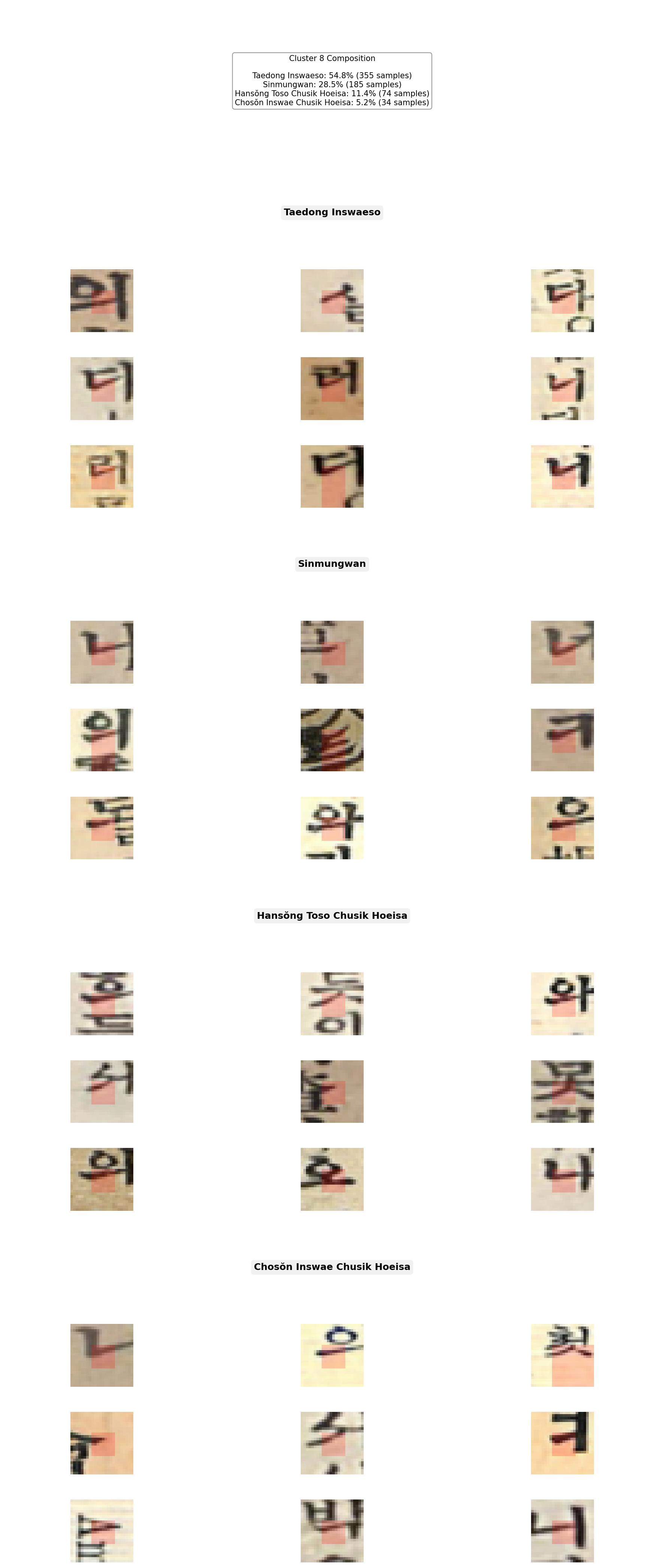
Compared
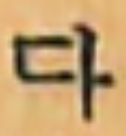


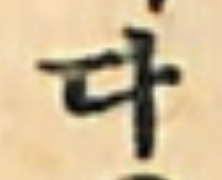
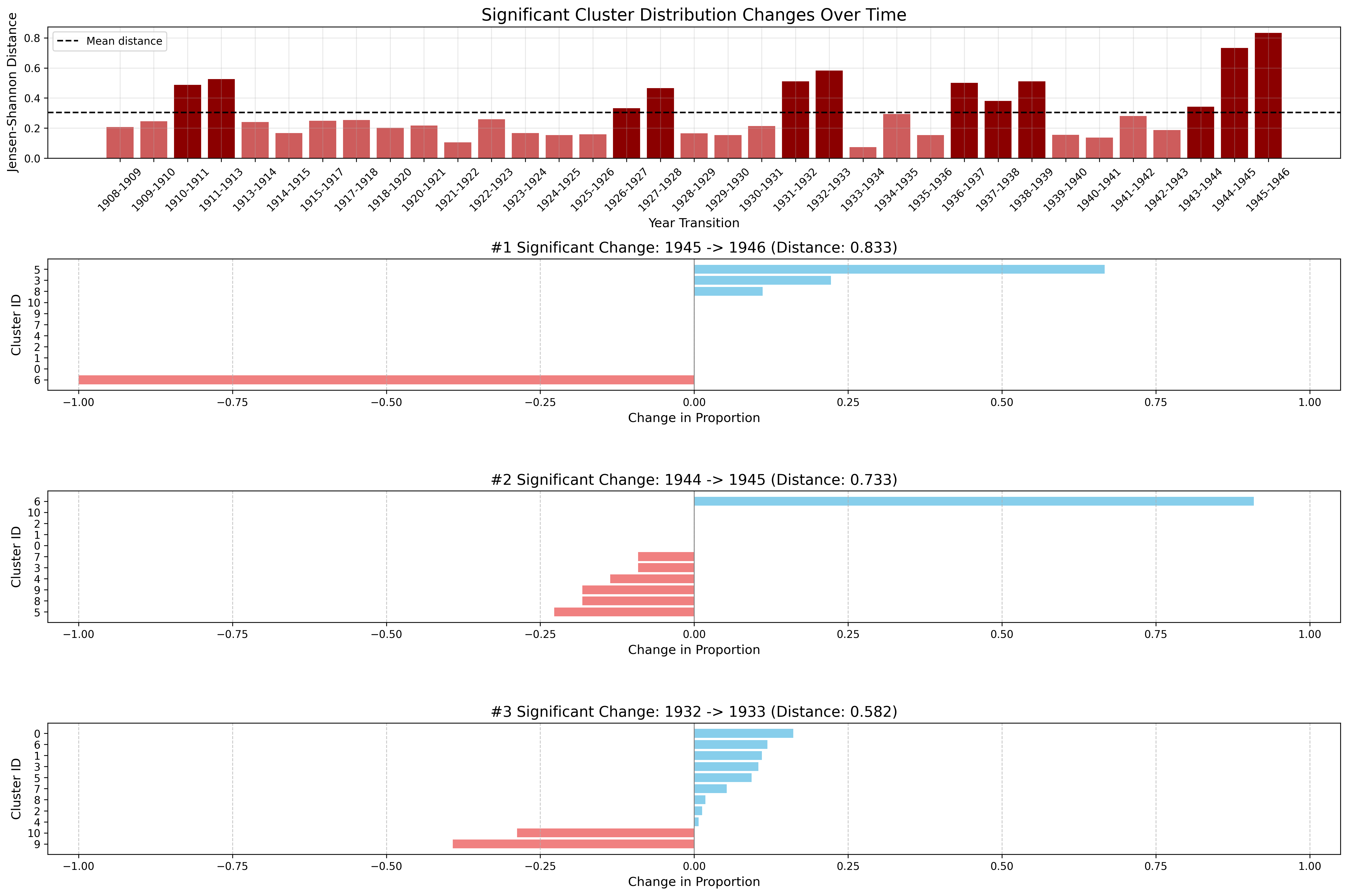
Shifts in Features
Thank you
Please Reach out! a.m.van.de.pol@hum.leidenuniv.nl

Referenced Works
Cai, Linghan, Shenjin Huang, Ye Zhang, Jinpeng Lu, and Yongbing Zhang. “Rethinking Attention-Based Multiple Instance Learning for Whole-Slide Pathological Image Classification: An Instance Attribute Viewpoint.” arXiv, March 2024. https://arxiv.org/abs/2404.00351.
De Fremery, Peter Wayne. “How Poetry Mattered in 1920s Korea.” PhD thesis, Harvard University, 2011.
Deng, Ruining, Can Cui, Lucas W. Remedios, Shunxing Bao, R. Michael Womick, Sophie Chiron, Jia Li, et al. “Cross-Scale Multi-Instance Learning for Pathological Image Diagnosis.” Medical Image Analysis 94 (May 2024): 103124. https://doi.org/10.1016/j.media.2024.103124.
Gadermayr, Michael, and Maximilian Tschuchnig. “Multiple Instance Learning for Digital Pathology: A Review of the State-of-the-Art, Limitations & Future Potential.” Computerized Medical Imaging and Graphics: The Official Journal of the Computerized Medical Imaging Society 112 (March 2024): 102337. https://doi.org/10.1016/j.compmedimag.2024.102337.
Hyundam Mun’go Foundation. “Hyundam Mun’go Collection.” Archive, 2021.
Javed, Syed Ashar, Dinkar Juyal, Harshith Padigela, Amaro Taylor-Weiner, Limin Yu, and Aaditya Prakash. “Additive MIL: Intrinsically Interpretable Multiple Instance Learning for Pathology.” arXiv, October 2022. https://doi.org/10.48550/arXiv.2206.01794.
Lundberg, Scott M, and Su-In Lee. “A Unified Approach to Interpreting Model Predictions.” In Advances in Neural Information Processing Systems 30, edited by I. Guyon, U. V. Luxburg, S. Bengio, H. Wallach, R. Fergus, S. Vishwanathan, and R. Garnett, 4765–74. Curran Associates, Inc., 2017.
Maron, Oded, and Tomás Lozano-Pérez. “A Framework for Multiple-Instance Learning.” Advances in Neural Information Processing Systems 10 (1997).
Papadopoulos, Alexandros, Fotis Topouzis, and Anastasios Delopoulos. “An Interpretable Multiple-Instance Approach for the Detection of Referable Diabetic Retinopathy from Fundus Images.” Scientific Reports 11, no. 1 (July 2021): 14326. https://doi.org/10.1038/s41598-021-93632-8.
Selvaraju, Ramprasaath R., Michael Cogswell, Abhishek Das, Ramakrishna Vedantam, Devi Parikh, and Dhruv Batra. “Grad-CAM: Visual Explanations from Deep Networks via Gradient-based Localization.” International Journal of Computer Vision 128, no. 2 (February 2020): 336–59. https://doi.org/10.1007/s11263-019-01228-7.
Seuret, Mathias, Saskia Limbach, Nikolaus Weichselbaumer, Andreas Maier, and Vincent Christlein. “Dataset of Pages from Early Printed Books with Multiple Font Groups.” In Proceedings of the 5th International Workshop on Historical Document Imaging and Processing, 1–6. HIP ’19. New York, NY, USA: Association for Computing Machinery, 2019. https://doi.org/10.1145/3352631.3352640.
Waqas, Muhammad, Syed Umaid Ahmed, Muhammad Atif Tahir, Jia Wu, and Rizwan Qureshi. “Exploring Multiple Instance Learning (MIL): A Brief Survey.” Expert Systems with Applications 250 (September 2024): 123893. https://doi.org/10.1016/j.eswa.2024.123893.
Yang, Yang, Yanlun Tu, Houchao Lei, and Wei Long. “HAMIL: Hierarchical Aggregation-Based Multi-Instance Learning for Microscopy Image Classification.” Pattern Recognition 136 (April 2023): 109245. https://doi.org/10.1016/j.patcog.2022.109245.